Research project Smart-DLWD · 2024–2027

Hands-on AI for everyday heroes

Data-driven services for sustainable public value creation in essential public services – benefits for citizens, government and businesses.

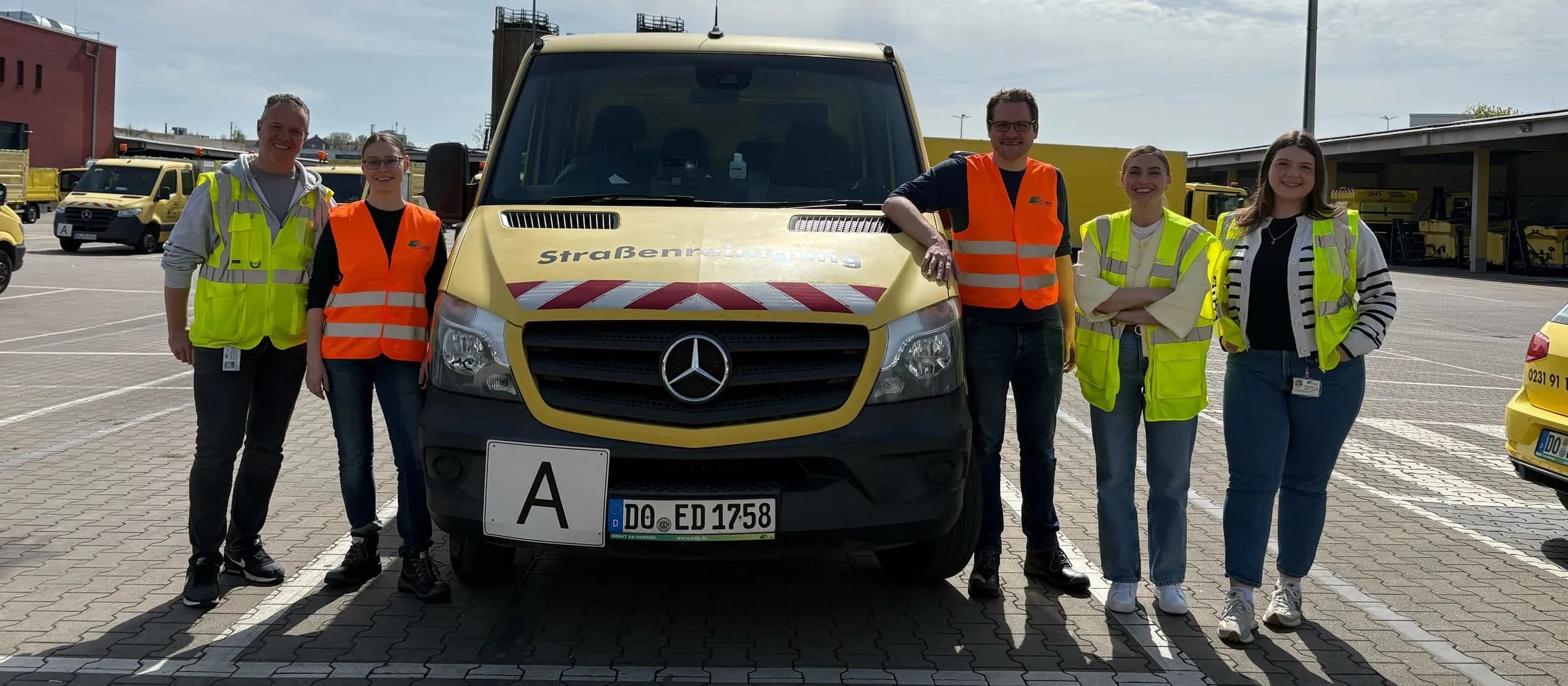
Five people in high-visibility vests standing at the EDG depot in front of a yellow van labelled Straßenreinigung (street cleaning)

Funded by the European Union and the State of North Rhine-Westphalia

Smart-DLWD is funded by the State of North Rhine-Westphalia and the European Union through the EFRE/JTF programme NRW 2021–2027, as part of the NEXT.IN.NRW innovation competition. The project is managed by Projektträger Jülich (PtJ).

Grant number of ImpressSol GmbH (iits-consulting): EFRE-20800507

Funding logos: EU emblem “Kofinanziert von der Europäischen Union” (co-funded by the European Union) and the logo of the Ministry of Culture and Science of the State of North Rhine-Westphalia

Starting point in Dortmund

This is where our AI solutions come in:


2,193 kmof streets cleaned every week, plus 4,386 km of pavementsSource: EDG, as of 2020
880,000+street litter bins emptied per yearSource: EDG, as of 2020
150+vehicles in street cleaningSource: EDG, as of 2020
11,450reports of litter and dirt (2025)Source: City of Dortmund
11,957reported road damages (2023)Source: City of Dortmund
730major civil engineering projects in the 2026 work programmeSource: City of Dortmund, February 2026

What the project is about

Municipal companies keep essential public services running: waste management, street cleaning, energy, transport. They have data, but rarely an AI team of their own.

Smart-DLWD investigates how these companies can access AI services with a low barrier to entry and use them economically. The goal is AI applications that cut costs, make operations more efficient and create new value.

The consortium tests this on real use cases at EDG Entsorgung Dortmund GmbH. The results go into open-access guides so that other municipal companies can use them.

Our role

iits-consulting is the consortium’s AI consultant and development partner. We advise EDG on which tasks are suited to AI and where it pays off economically. We also lead the technical implementation.

To do this, we help gather the requirements, analyse the data, build the AI components including their data pipelines, and integrate them at EDG.

Five use cases from EDG’s operations

The photos of the recycling centre and the workshop are AI-generated illustrative images. The screenshots come from our applications.

Planning street cleaning

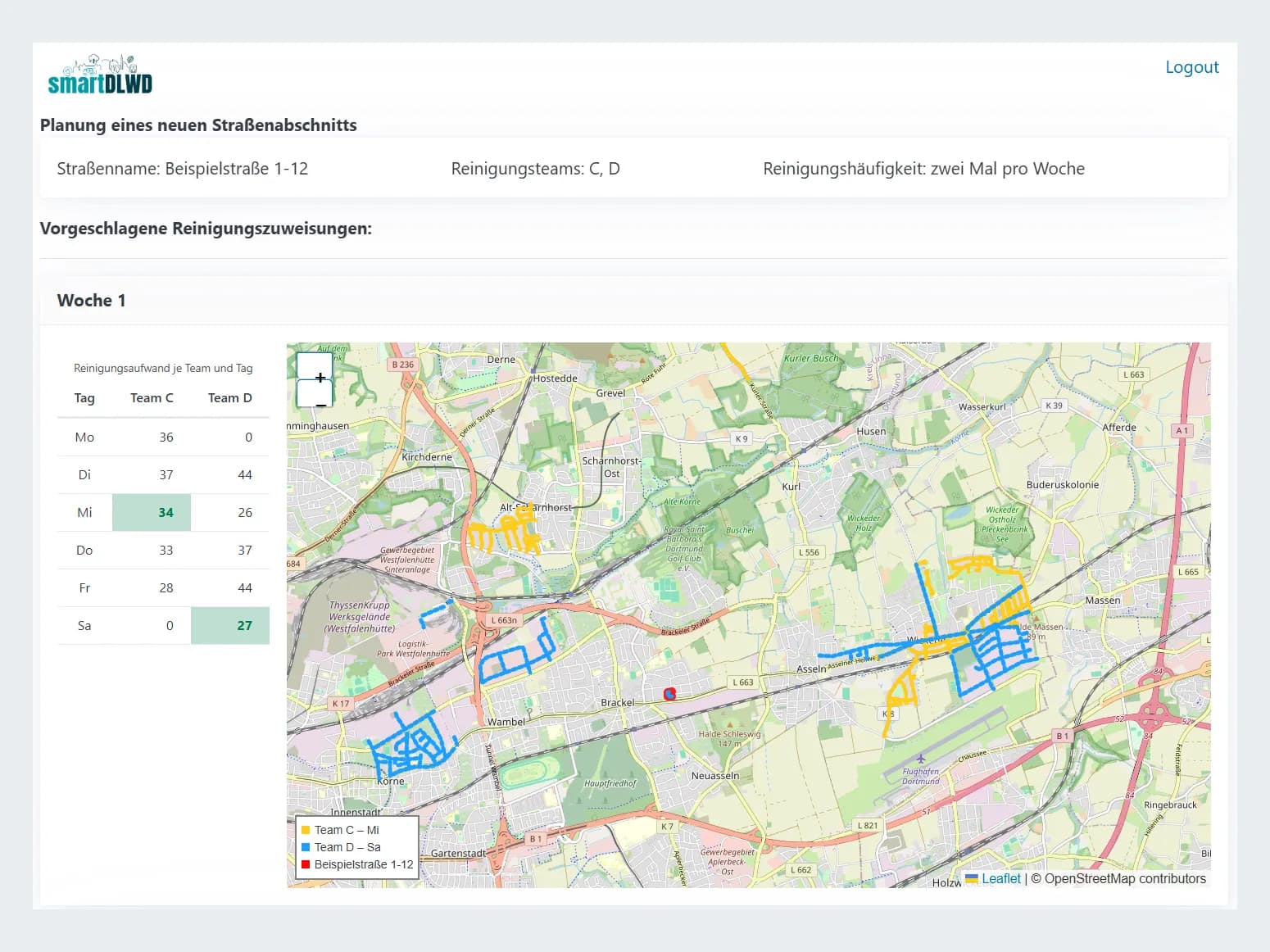
Plan cleaning routes so that the workload is spread fairly across the teams and the days of the week, and the empty runs between jobs get shorter. The fixed cleaning intervals stay in place.

Screenshot of the Smart-DLWD cleaning planner: a map of Dortmund showing two teams’ cleaning sections and a table of cleaning effort per team and weekday

GDPR-compliant camera analysis

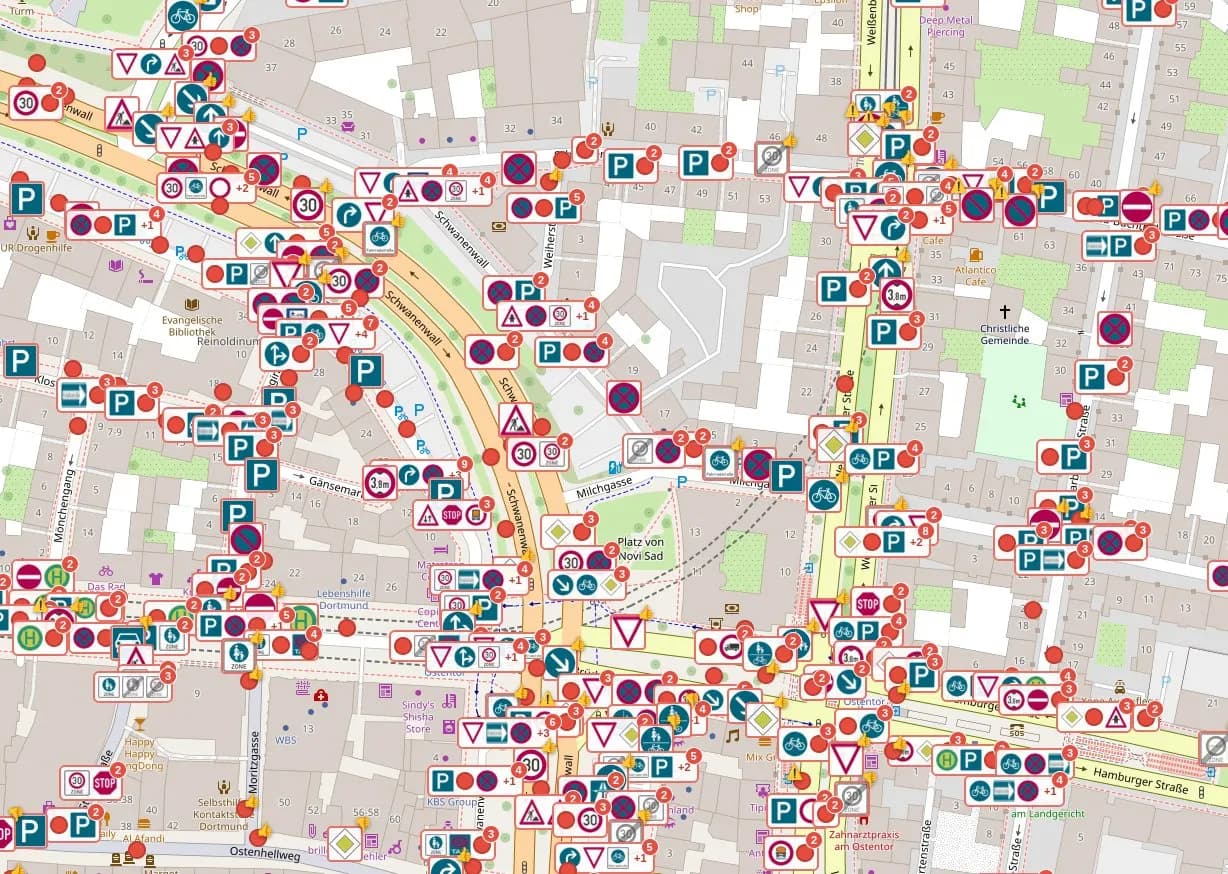
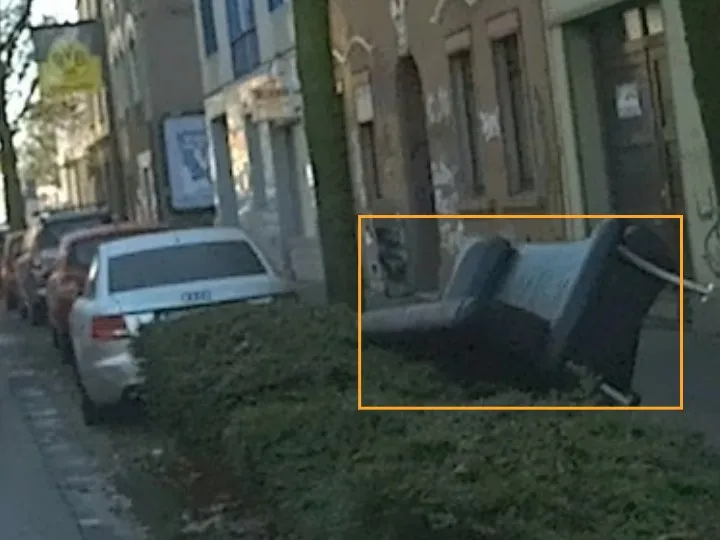
Automatically analyse images from vehicle cameras: build a road-sign register including how dirty each sign is, and detect illegal waste dumping and road damage. People and licence plates stay protected.

Detail of the road-sign register: a map of Dortmund city centre with detected traffic signs shown as symbols at their locations
1 / 2

Recording construction sites and their progress

Detect construction sites in the street on the camera images and document how they progress over time.

Chatbot for the recycling centres

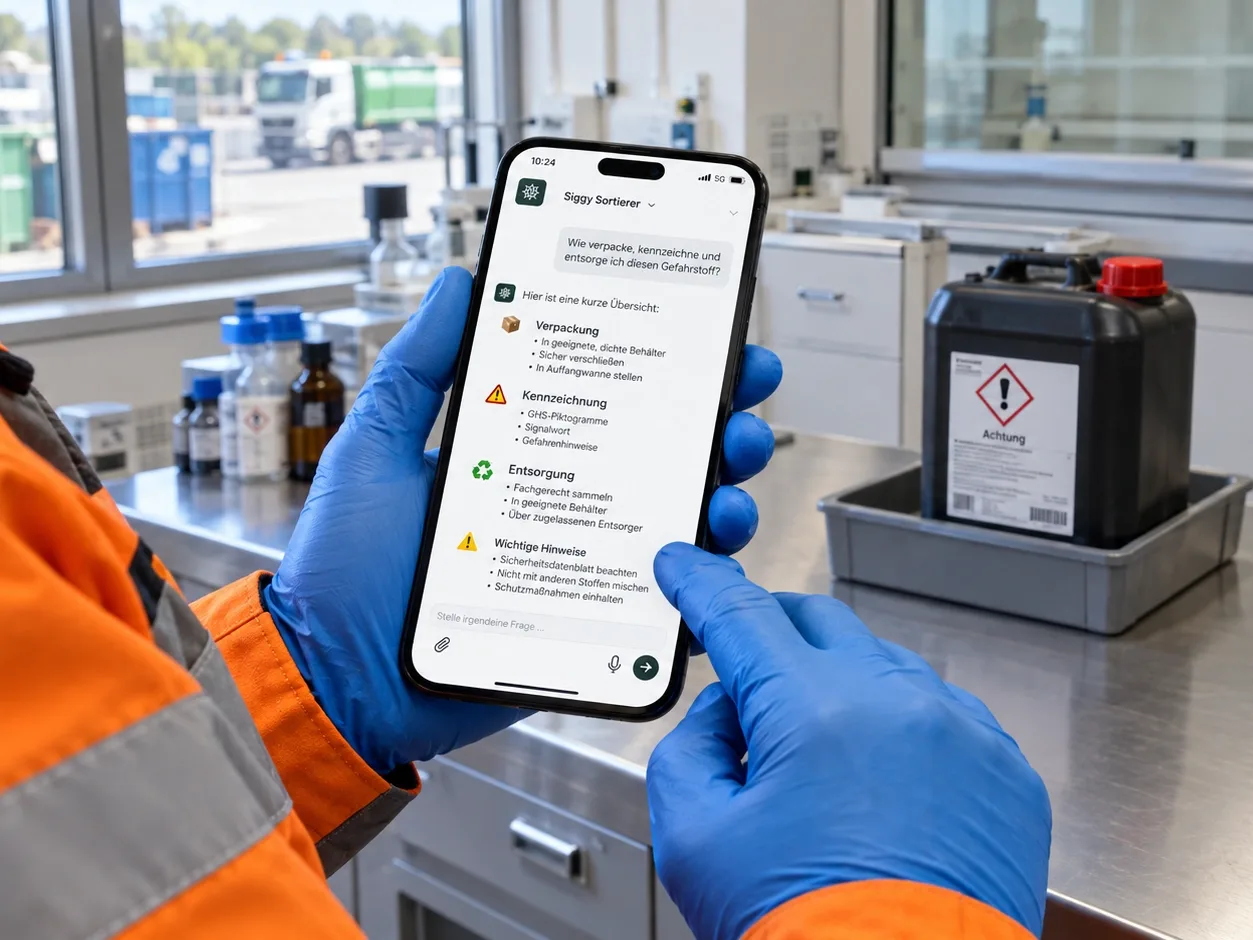
A chatbot answers questions at the recycling centres, for example how to pack and dispose of a hazardous substance correctly.

Illustrative image (AI-generated): A worker in protective gear asks the chatbot at the recycling centre how to pack, label and dispose of a hazardous substance

AI assistance in the workshop

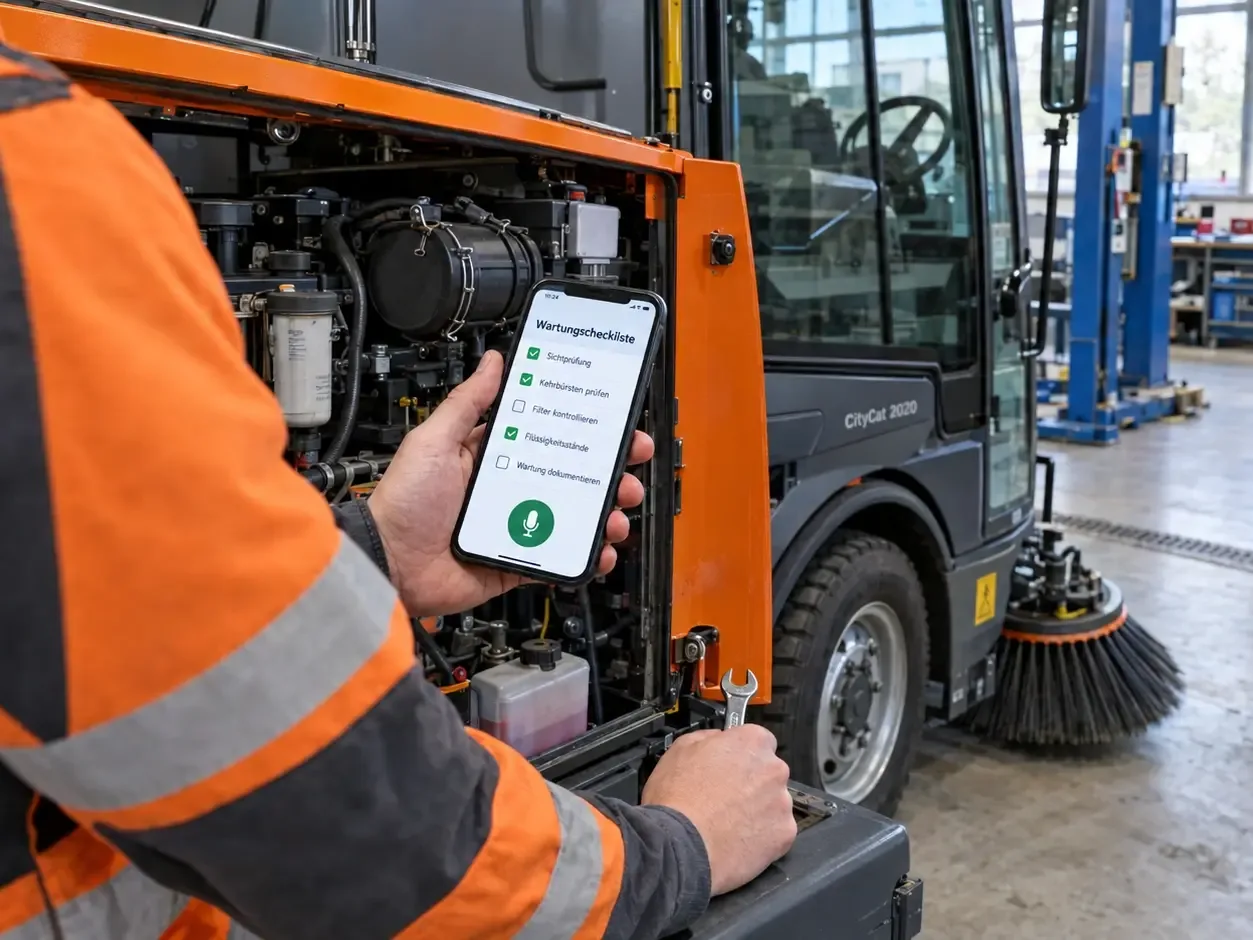
During maintenance, the workshop staff talk freely with the AI assistant, without forms or typing. The assistant guides them through the checks and takes care of the maintenance documentation.

Illustrative image (AI-generated): AI assistance in the workshop: voice-controlled maintenance checklist on a smartphone next to an opened street sweeper

Project facts

Funded by

State of North Rhine-Westphalia and European Union (EFRE/JTF programme NRW 2021–2027)

Programme

NEXT.IN.NRW innovation competition

Ministry

Ministry of Culture and Science of the State of North Rhine-Westphalia (MKW)

Project management

Projektträger Jülich (PtJ)

Grant number

EFRE-20800507 (ImpressSol GmbH / iits-consulting)

Duration

15 August 2024 – 14 August 2027

Coordination

Fraunhofer Institute for Material Flow and Logistics IML

Road-sign types in the register

more than 255

Too new for a standard project?

Then it’s a fit for us. We like working on questions that have no ready-made answer yet. Let’s talk about it.

AVG. RESPONSE < 1 WORKING DAY