
Modular License Plate Recognition Pipeline for Parking Facilities
The refactoring of a camera-based license plate recognition pipeline into a modular, testable architecture for barrier-gate parking access.
- CUSTOMER
A company operating high-traffic parking facilities
- INDUSTRY
Mobility / Facility Management
- SERVICES
AI / Computer Vision / OCR / Pipeline Refactoring
Overview
A customer operating high-traffic parking facilities was using a camera-based license plate recognition system to process vehicle entries and exits at barrier gates. The existing solution included components for license plate recognition, but the underlying codebase had grown difficult to maintain and extend.
iits-consulting supported the customer by restructuring the existing workflow into a more modular architecture and improving the maintainability of the license plate recognition pipeline.
Challenge
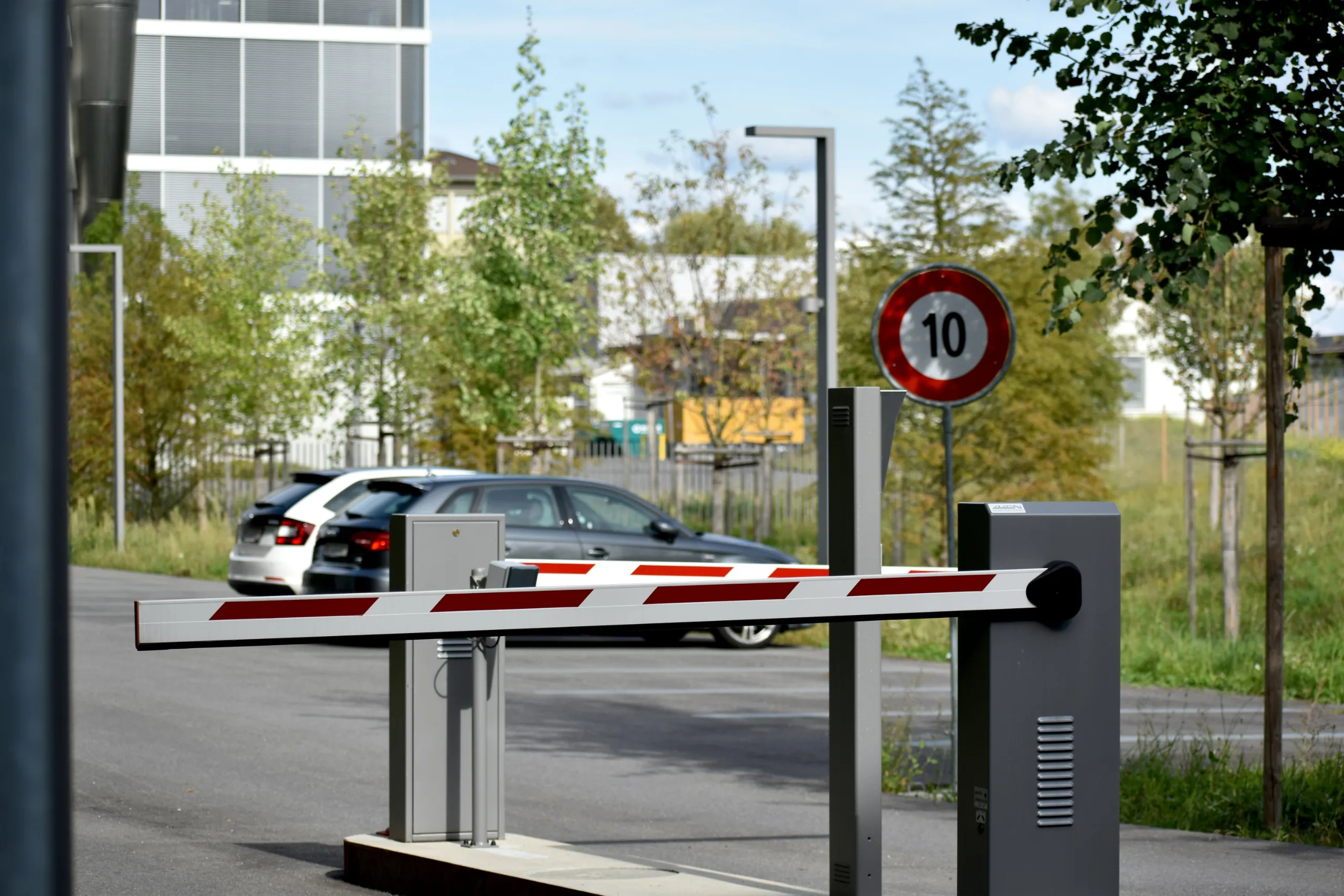
Parking facilities with barrier-gate access rely on reliable recognition of vehicles entering and leaving the site. In this setup, the system did not process continuous video streams. Instead, images of vehicles were captured at the barrier gate and processed to identify license plates.
The customer already had an existing AI framework and recognition components in place, but the codebase had become complex over time. Different development paths, unused components, and tightly coupled logic made the system harder to understand, test, and adapt. This was especially relevant for the OCR part of the workflow, where license plate text is extracted from captured images. The existing implementation worked within the broader framework, but its structure made future maintenance and extension unnecessarily difficult.
Our Solution
We refactored the existing license plate recognition workflow and integrated it into the customer’s modular plugin-based framework.
Info: The focus was not on training new models, but on improving the structure, readability, testability, and maintainability of the existing OCR pipeline.
As part of this work, the OCR-related code was cleaned up and reorganized. Obsolete development artifacts and unused code paths were removed, responsibilities were separated more clearly, and the implementation was made easier to understand and extend. Automated tests were added to make the behavior of the pipeline more transparent and to reduce the risk of regressions during future development.
Business Impact
The client now has a cleaner and more maintainable license plate recognition pipeline within their existing AI framework. The modular structure makes it easier for internal teams to understand the system, adapt individual components, and build on the existing workflow. By removing obsolete code paths and improving test coverage, the project also created a more stable technical foundation for future development of the parking facility use case.
Got a problem we can solve?
Start with a no-obligation project inquiry and our team will advise you thoroughly on your project.