What It Takes to Become an iSAQB-Certified Software Architect
The iSAQB certification at Advanced Level takes years of project experience, accredited trainings and an architecture project defended in front of two examiners. We look at what that means in practice and why one of our architects now wants to teach it.
Some decisions in a software project are easy to change later, like a button label or a single function. Architecture decisions are a different matter. How a system is split into parts and how those parts work together shape what that system can do for years, and changing them later is expensive. These decisions require systematic requirements analysis and a thorough understanding of the problem.
That's why software architecture is worth learning properly, and why we're proud that Erik Koppenhagen, Software Architect at iits-consulting, has just passed the CPSA Advanced Level exam of the iSAQB. Here's what that involves, and what comes next.
iSAQB certification as a shared standard
The iSAQB, short for International Software Architecture Qualification Board, is a non-profit association of software architecture experts. It sets the standards for how architects are trained and certified, and its Certified Professional for Software Architecture (CPSA) scheme is used by architects around the world.
The value of a standard like this goes beyond the certificate. Architects who learned the same methods share a vocabulary, which makes it easier to discuss decisions, review each other's designs and hand a system over to another team.
The road to the Advanced Level
The CPSA has two levels. The Foundation Level covers the basics and ends with a multiple-choice exam. The Advanced Level goes much further, and simply getting to the exam takes a while.
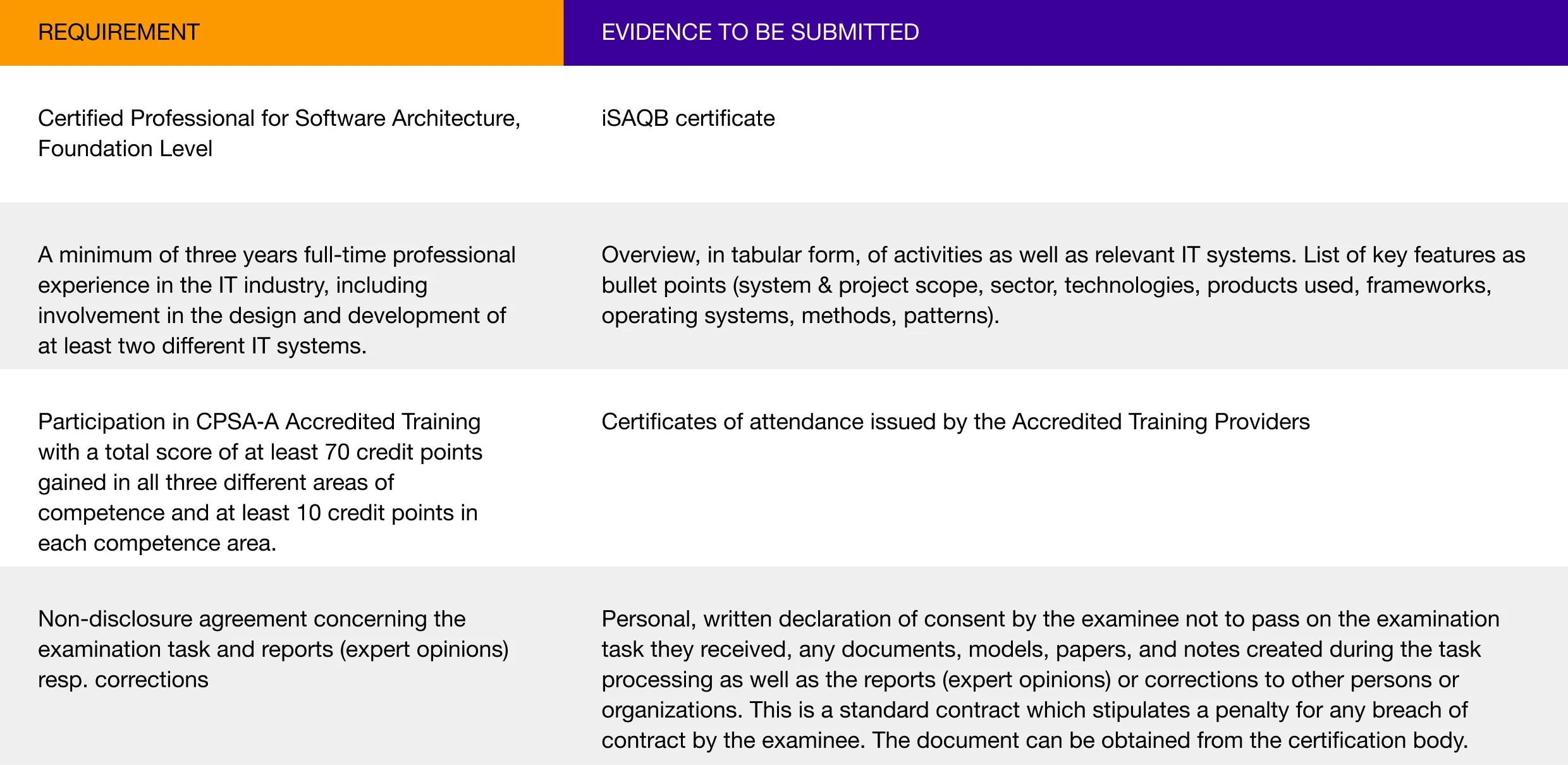
Candidates need the Foundation Level certificate, at least three years of full-time experience designing and developing IT systems, and at least 70 credit points from accredited Advanced Level trainings. Those trainings have to cover methodology, technology and communication, with at least 10 points in each area.
The exam itself is closer to a real project than a test. Candidates receive an architecture task for an information system, a web system or an embedded system, and have three months to work out and document a solution, which in practice takes around 60 to 80 working hours. Two independent examiners review the paper, and the candidate then has to explain and defend every decision in an interview with them.
Why iSAQB certification matters in our projects
Software architecture covers far more than design and technology decisions. It starts with understanding the client's domain, the context of the project, its constraints and its goals. A big part of the job is making risks visible early and finding ways to reduce them before they become expensive.
At iits-consulting, where we build custom IT solutions for our clients, the domain model comes first. How are the business processes designed? How does the client make money with this system? Which words and terms does the domain use, and what exactly do they mean? As consultants, we need these answers before anything else, because they shape every decision that follows.
Only then come the technical questions, such as how the system should scale, which parts need to change often and how security and load shape the design. The CPSA Advanced Level trains this whole chain of thinking. It also puts weight on a part of the job that's easy to underestimate, which is explaining architecture decisions to the developers, product owners and clients who have to live with them.
From certificate to workshops
For Erik, passing the exam is only the first step. The plan now is to become a trainer and teach one area of the certification, flexible architecture models, in workshops, so that more architects and developers can work with the same methods.
The iSAQB doesn't run trainings itself. It accredits training providers and trainers after reviewing their content and teaching, and that's the route Erik is now taking.
The workshops will be open to everyone interested in software architecture, with no iSAQB certification required. They'll draw on the iSAQB's FLEX module on flexible architecture models and roughly cover team structures, distributed systems, and how systems are rolled out and maintained.
Ready for a clear-eyed look at your own architecture? In our Software Architecture Workshop, senior architects review the system you already run and show you what to modernise and what to leave alone. You get an architecture review, modernisation priorities, an honest view of where AI fits, and a roadmap sized to your team and budget.
About the author

Good software takes more than good code. Erik Koppenhagen combines software architecture and development with a keen understanding of business requirements and agile methods. As an IT consultant at iits-consulting, he advises stakeholders, develops technical solutions alongside teams, and recruits new talents for the company.