Legacy-Systeme modernisieren
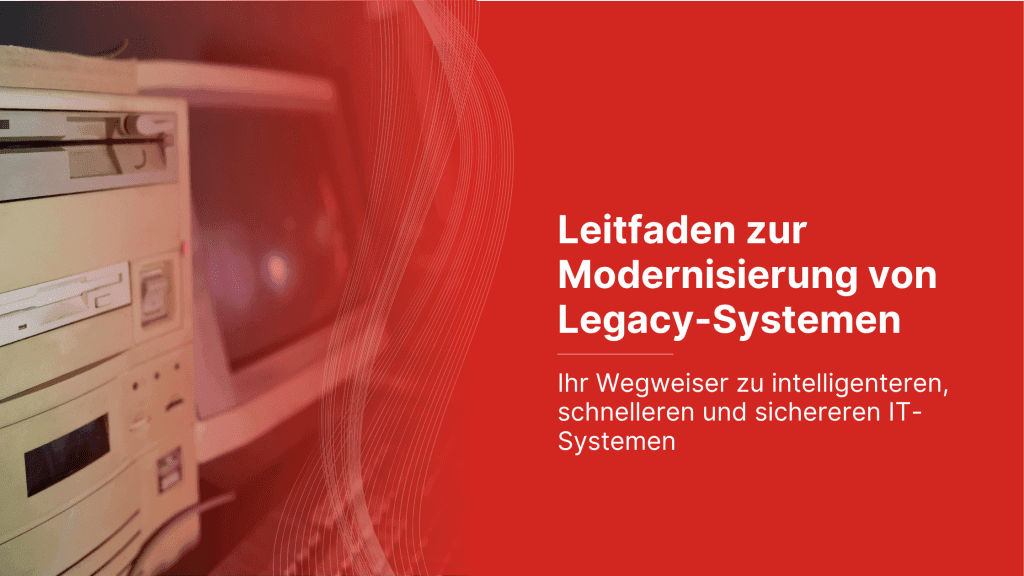
Legacy-Systeme modernisieren oder riskieren? Entdecken Sie, wann Modernisierung unvermeidlich wird und wie Firmen dabei erfolgreich handeln.
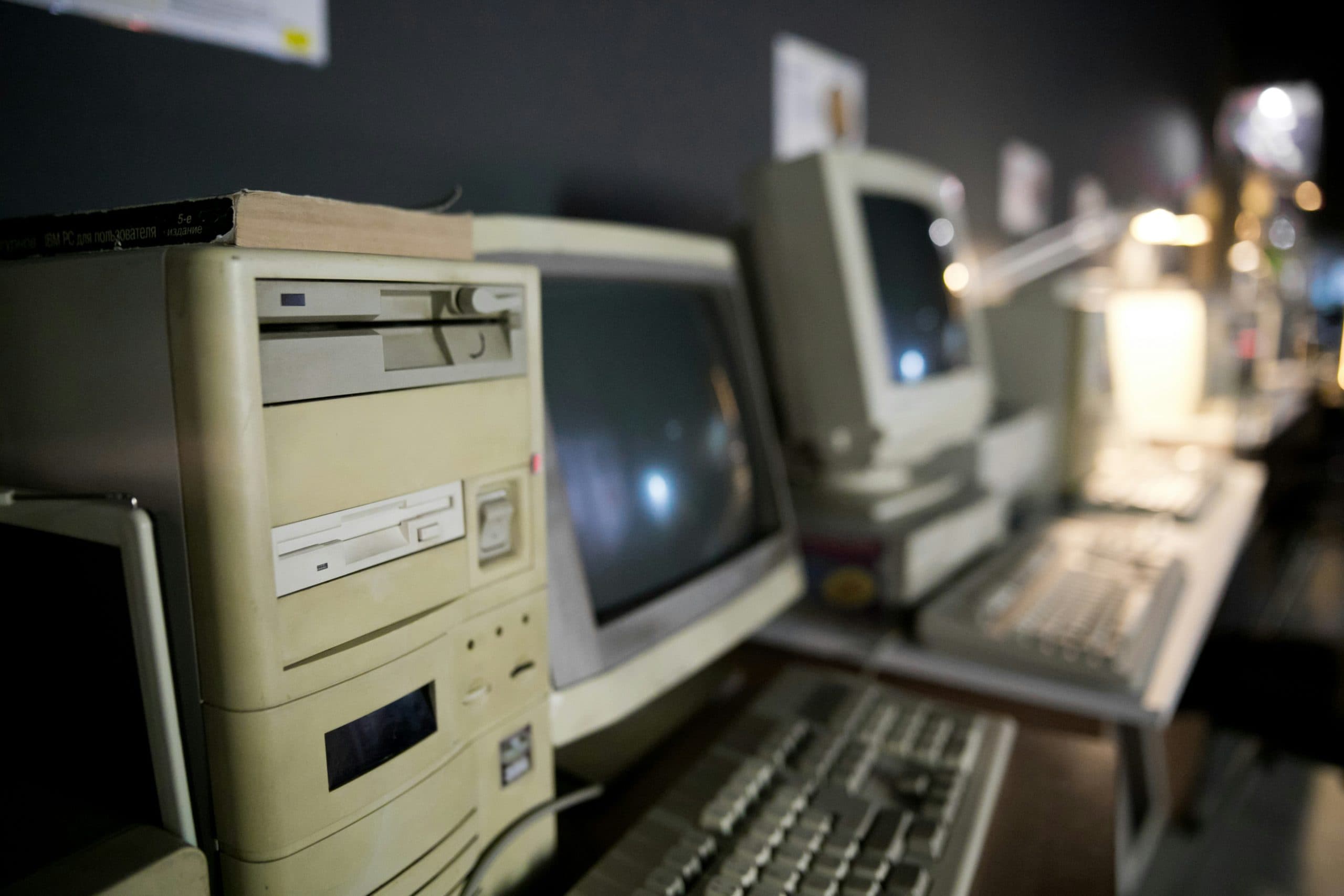
Legacy-Technologie ist überall: Sie treibt Produktionslinien, Logistikplattformen, Kundensysteme und vieles mehr an. Diese Systeme haben sich über die Jahre bewährt und bilden das Rückgrat vieler Unternehmen. Doch wenn sie so entscheidend sind – warum werden sie dann so oft zum Problem?
Um wettbewerbsfähig zu bleiben und langfristig erfolgreich zu sein, müssen Unternehmen die Modernisierung ihrer Legacy-Systeme planen. Doch eine übereilte Modernisierung ohne klare Strategie kann ebenso teuer werden, weshalb es entscheidend ist, den richtigen Ansatz zu finden.
Der Wert und das Risiko dessen, was Sie bereits haben
Für viele Unternehmen sind Legacy-Systeme nicht nur “alte Technik”. Sie sind tief in die Arbeitsabläufe eingebettet. Diese Plattformen enthalten oft jahrelange, manchmal jahrzehntelange Geschäftslogik, Kundendaten und operative Arbeitsabläufe.
Sie wurden über die Jahre hinweg aufgebaut, verändert und gepatched, um alles am Laufen zu halten. Und jetzt? Sie zeigen erste Verschleißerscheinungen:
- Es wird immer teurer, sie funktionsfähig zu halten
- Innovationen werden verlangsamt
- Integrationen mit modernen Tools können anfällig sein
- Und am wichtigsten: Die Sicherheitsrisiken nehmen zu
Kommt Ihnen das bekannt vor?
Warum Legacy-Systeme modernisieren zur Priorität wird
Viele IT-Leiter sagen, dass Legacy-Systeme eine der größten Herausforderungen sind, die ihre Unternehmen daran hindern, voranzukommen. Da neuere, cloud-basierte Unternehmen schnell innovieren können, wird die Modernisierung von Legacy-Systemen immer wichtiger, um wettbewerbsfähig zu bleiben.
Deutschlands Energiewende zeigt, wie wichtig moderne Systeme sein können. Da die Branche sich zu dezentraler erneuerbarer Energie und strengeren Vorschriften bewegt, stellen Energieunternehmen fest, dass flexible, vernetzte IT- und IoT-Systeme für den Erfolg unerlässlich sind.
Für die Unternehmen, die diesen Schritt bereits gegangen sind, sprechen die Ergebnisse für sich:
- Betriebsabläufe mit IoT-Technologie um bis zu 25% effizienter gestalten
- IT-Kosten durch Cloud-Einführung jährlich um 30% senken
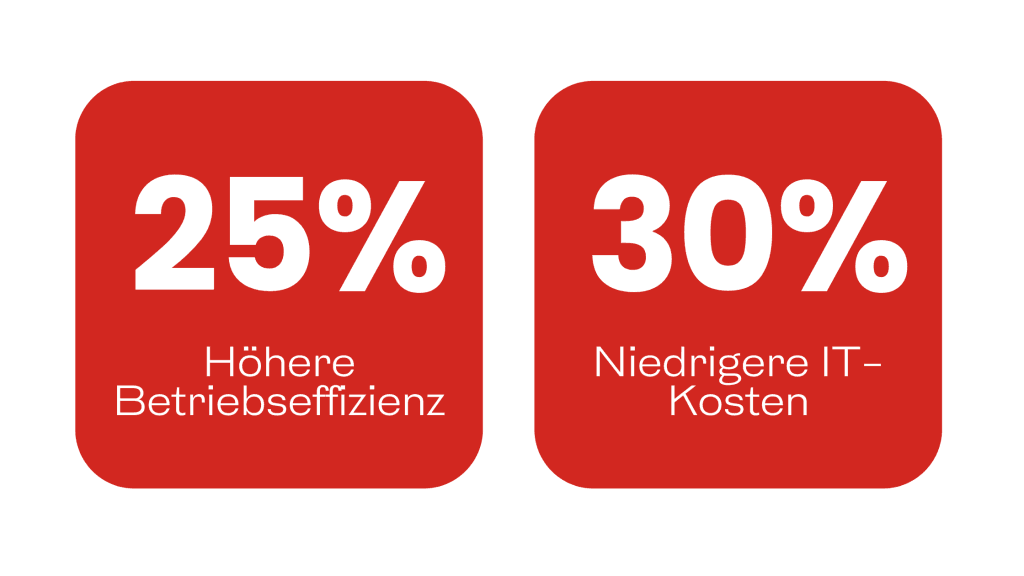
Informationen von wirtek.
Ein wachsendes Problem mit wachsenden Konsequenzen
Wenn Sie in die Cloud wechseln, benötigen die meisten Systeme mehr als nur “Lift and Shift”.
Sie können schrittweise modernisieren und ein System oder eine Funktion nach der anderen umstellen. Das ist machbar, kann aber herausfordernd sein und führt oft zu einem Fleckenteppich aus alten und neuen Systemen. Wenn Ihr aktuelles Fundament bereits schwach ist, halten diese Teilreparaturen nicht lange stand und verursachen auf Dauer wahrscheinlich höhere Kosten.
Darum ist es klüger, tiefgreifende Veränderungen dort zu planen, wo sie nachhaltige Wirkung haben und Legacy-Systeme mit einer klaren Strategie zu modernisieren, statt sie Stück für Stück zu flicken.
Warum es nicht nur ein IT-Problem ist, wenn Sie Legacy-Systeme modernisieren
Legacy-Systeme mögen in der IT-Abteilung stehen, aber ihre Auswirkungen sind im gesamten Unternehmen spürbar:
– Produktteams können keine Features schnell launchen
– Vertrieb und Marketing können nicht auf die Daten zugreifen, die sie benötigen
– Der Betrieb hängt in langsamen, manuellen Prozessen fest
– Sicherheitsteams flicken oder reagieren ständig
Da diese Systeme viele Bereiche beeinflussen, ist die Modernisierung von Legacy-Systemen nicht nur ein technisches Upgrade. Sie ist eine strategische Investition in die Zukunft Ihres Unternehmens und sorgt dafür, dass Ihre Systeme Wachstum, Innovation und Sicherheit auch in Zukunft unterstützen können.
Warten kostet
Ja, die Modernisierung von Systemen kann sich wie eine große Aufgabe anfühlen. Aber zu langes Warten bringt echte Risiken mit sich:
- Ein wichtiger Entwickler geht und nimmt kritisches Wissen mit
- Ein Cyberangriff findet eine Lücke in Ihrer veralteten Software
- Eine kritische Integration fällt aus und Sie verlieren Stunden (oder Tage) des Betriebs
- Langsamere Markteinführung begrenzt Ihre Wettbewerbsfähigkeit
- Frustrierte Nutzer verlieren das Vertrauen in das System oder nutzen es nicht mehr
Und vieles mehr…
Nichts zu tun ist also oft die teuerste Option.
Die Gelegenheit zur Modernisierung steht weit offen – Dieser Leitfaden hilft Ihnen voranzukommen
Branchenübergreifend beginnen Unternehmen, der Realität ins Auge zu blicken: Legacy-Systeme können nicht mit den Anforderungen moderner Geschäfte mithalten.
Einige bewegen sich bereits – sie gestalten Veraltetes neu, bauen dort wieder auf, wo es zählt, und schaffen Systeme, die schneller, sicherer und einfacher zu skalieren sind. Andere sind noch unsicher, wo sie anfangen sollen.
Wenn Sie irgendwo dazwischen stehen, ist jetzt Ihr Moment.
Unser Leitfaden zur Modernisierung von Legacy-Systemen wurde entwickelt, um Ihnen zu helfen, mit Klarheit und Richtung voranzugehen – ohne Überforderung.
Darin finden Sie:
- Ein einfaches Framework zur Bewertung dessen, was funktioniert (und was nicht)
- Wo Sie Modernisierungsanstrengungen fokussieren sollten
- Warnzeichen erkennen
- Einen schrittweisen Ansatz zur Priorisierung und Planung
Laden Sie den Leitfaden herunter, um intelligent zu modernisieren – zu Ihren Bedingungen, in Ihrem Tempo, mit weniger Überraschungen auf dem Weg.